Quick Navigation
- What Featherbed Nature Reserve Actually Is
- How the Featherbed Trip Works, Start to Finish
- Up by vehicle, down on foot
- What There Is to See From the Top and on the Way Down
- The Animals, Honestly
- How a Professor's Fishing Spot Became a Reserve
- The 2017 Fire, and What Grew Back
- Food, Fitness and What to Bring
- Eating at Featherbed
- Seeing the Heads Without the Ferry
- Using Leisure Isle as Your Base
- Common Questions About Featherbed Nature Reserve
- Can you visit Featherbed Nature Reserve without a tour?
- Is the Featherbed walk difficult?
- Do you need to book Featherbed in advance?
- Is Featherbed the same as the Knysna Heads viewpoint?
- Can you see Featherbed from Leisure Isle?
- Is there food at Featherbed?
- Where do the facts on this page come from?
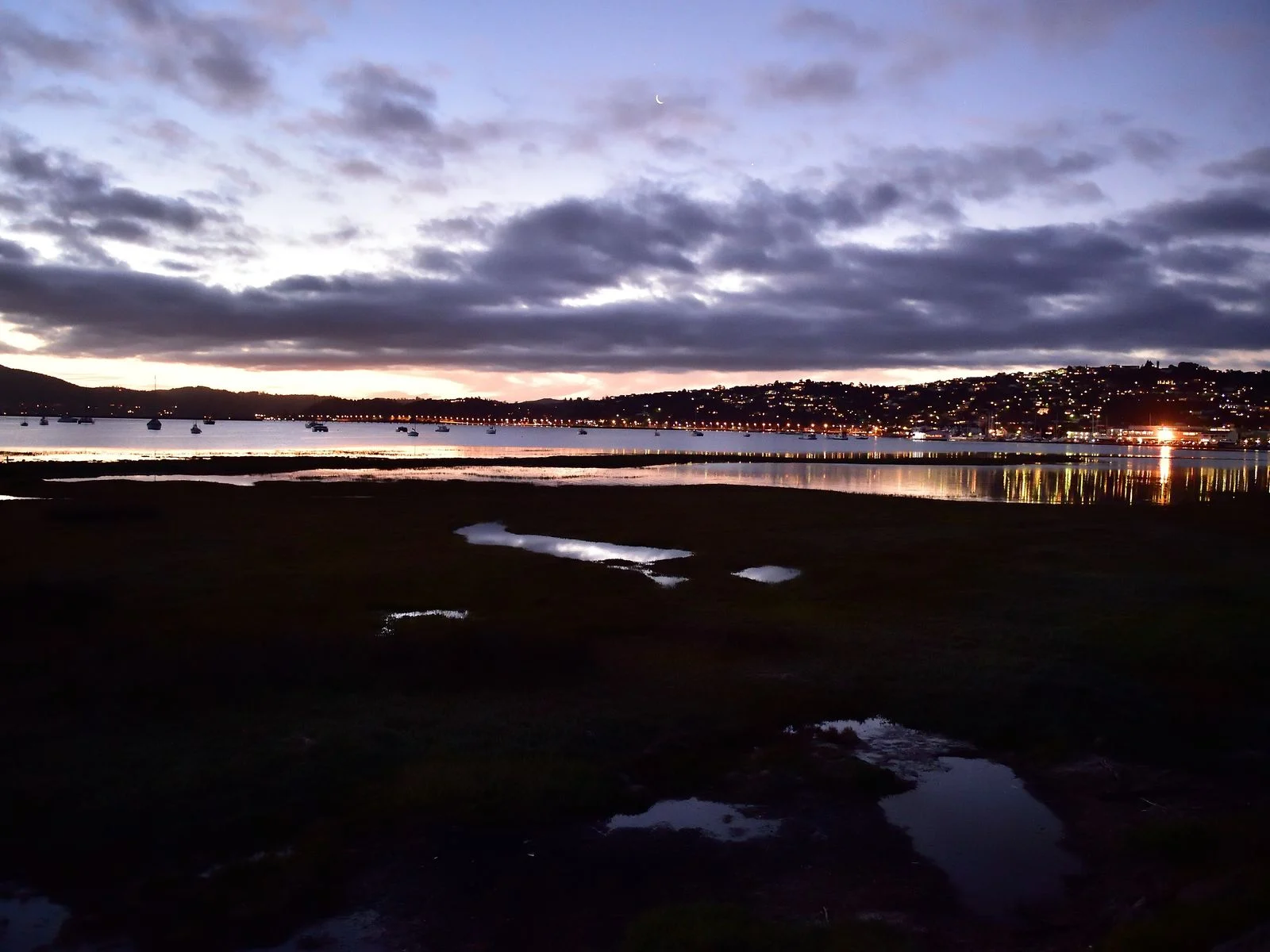
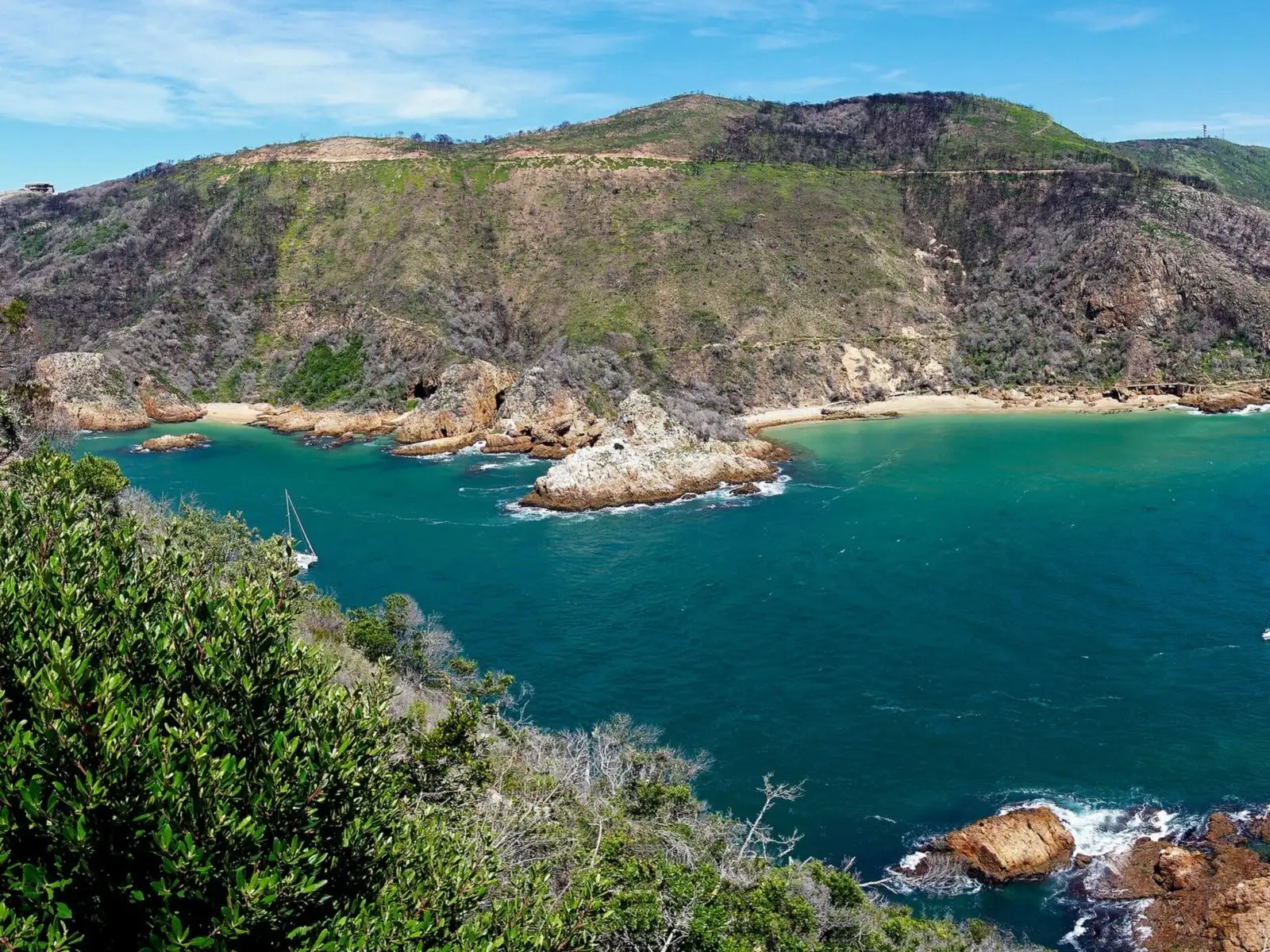
Look down the lagoon from Leisure Isle and two headlands close it off from the sea. The eastern one is covered in houses. The western one is not, and that is Featherbed Nature Reserve. The operator describes it as only accessible by ferry, so you go by boat, on a guided trip that is one of the few things in Knysna worth planning a day around.
What Featherbed Nature Reserve Actually Is
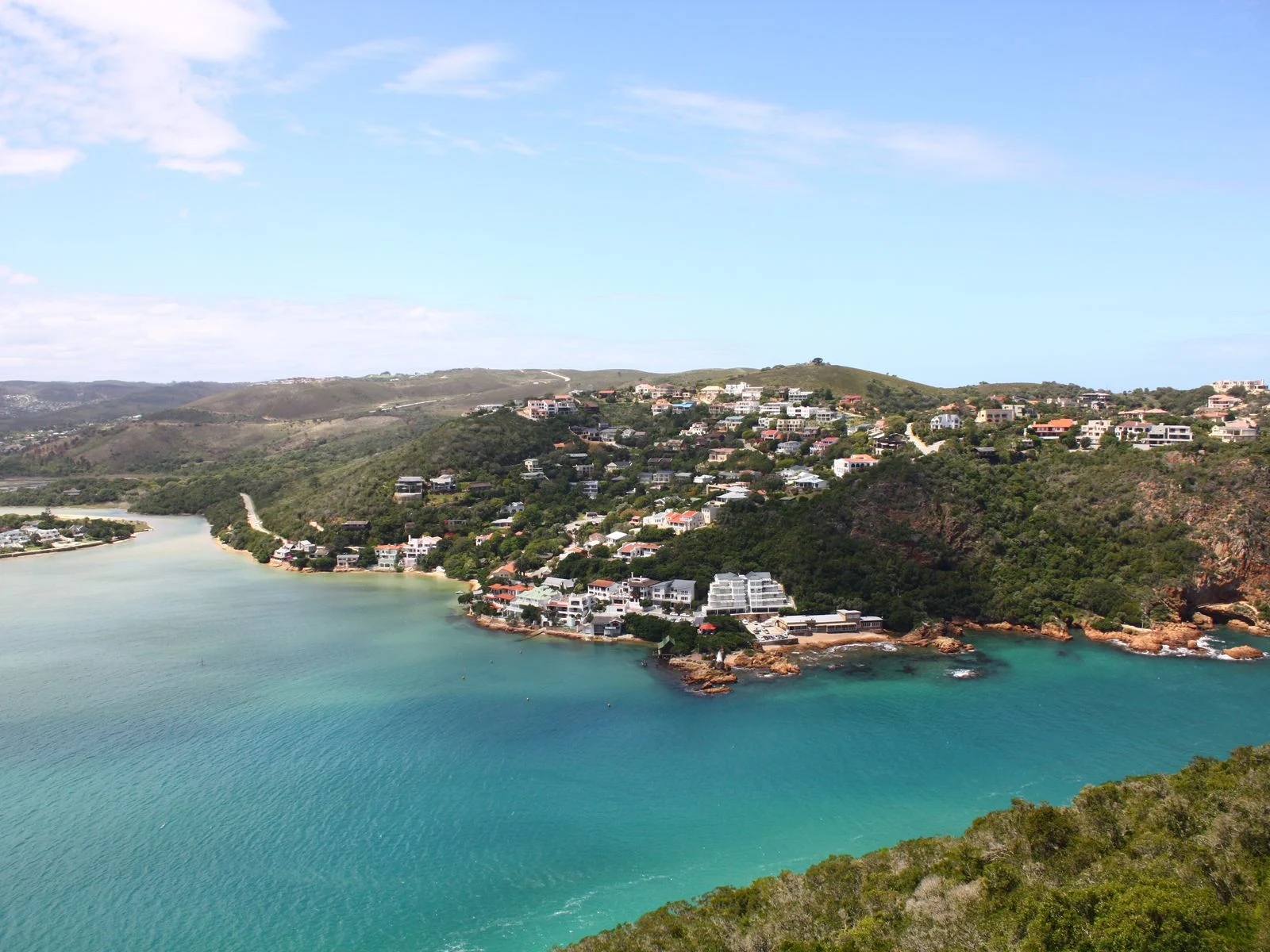
Featherbed is a privately owned nature reserve on the Western Head, one of the two headlands at the mouth of the Knysna estuary. Visit Knysna, the area's official tourism body, puts it plainly: look out across the lagoon and through the Heads, and the undeveloped piece of land on the right-hand, western side is Featherbed.
Access is the single most important fact about it. The operator, Featherbed Co., describes the reserve as only accessible by ferry, and the ferry leaves from its own terminus at the Cruise Café, on the town side of the lagoon. Everything else about a visit follows from that.
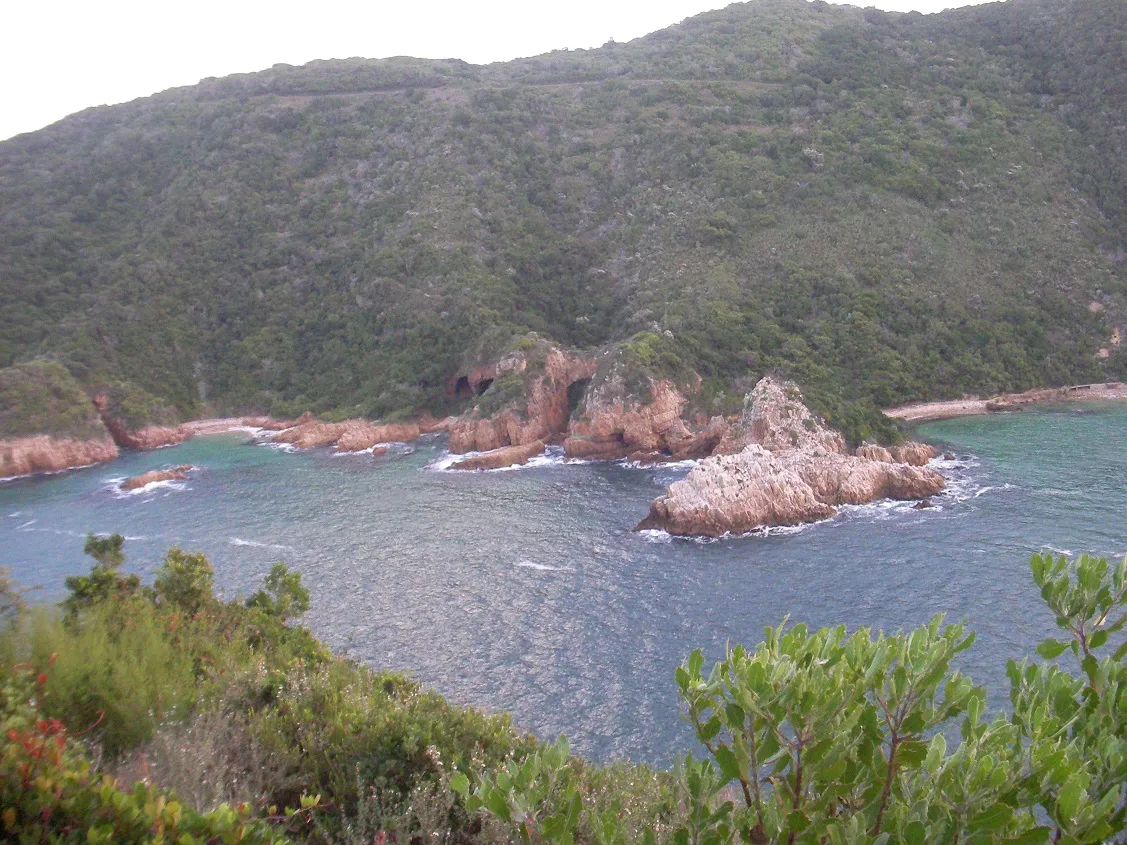
It is worth separating Featherbed from the other Head, because the two get blurred together. The Eastern Head is the one you can drive up, with a viewpoint at the top. We covered that side, and why the channel between the two is no place to swim, in our guide to where Knysna's swimmable water actually is.
The one-line distinction: the Eastern Head is a residential headland you can drive up. The Western Head is a private reserve you reach by ferry on a guided trip. Same view, opposite sides of it.
How the Featherbed Trip Works, Start to Finish
The operator sells the visit as the Featherbed Eco Experience, with or without lunch. Its own booking page lists what is included, and taken in order it is the whole trip.
What the operator says is included, in order
- A return ferry across the lagoon from the Featherbed terminus to the reserve.
- A vehicle drive up the headland, stopping at viewpoints on the way.
- A specialist guide talking through Knysna's history, plants and animals.
- An optional guided walk back down through coastal forest and fynbos, into ancient sea caves.
- A buffet lunch under the milkwood trees, if you booked the version that includes it.
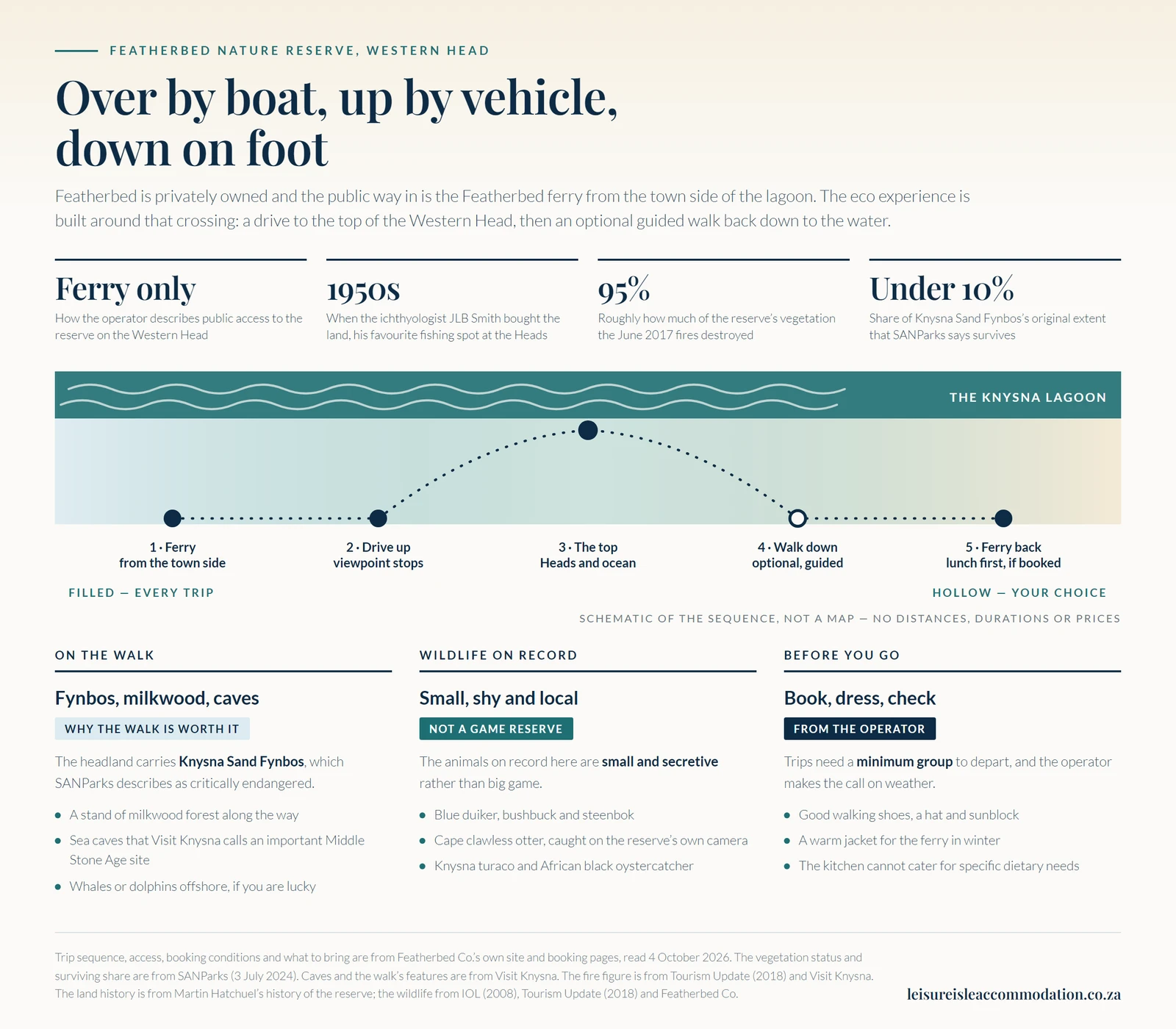
Two conditions are worth knowing before you plan around it. Every excursion needs a minimum number of guests before it will depart. And the booking page says trips are only cancelled in extreme weather, although the operator's terms also allow a trip to be cancelled for other unforeseen reasons. In practice that means booking ahead rather than turning up, and letting the operator, not a grey sky, tell you whether it is going.
Up by vehicle, down on foot
The shape of it is simple once you see it. The vehicle does the climbing, so nobody has to walk up a headland. The walk is the descent, and it is optional. The operator lists no fitness or experience requirement for the trip.
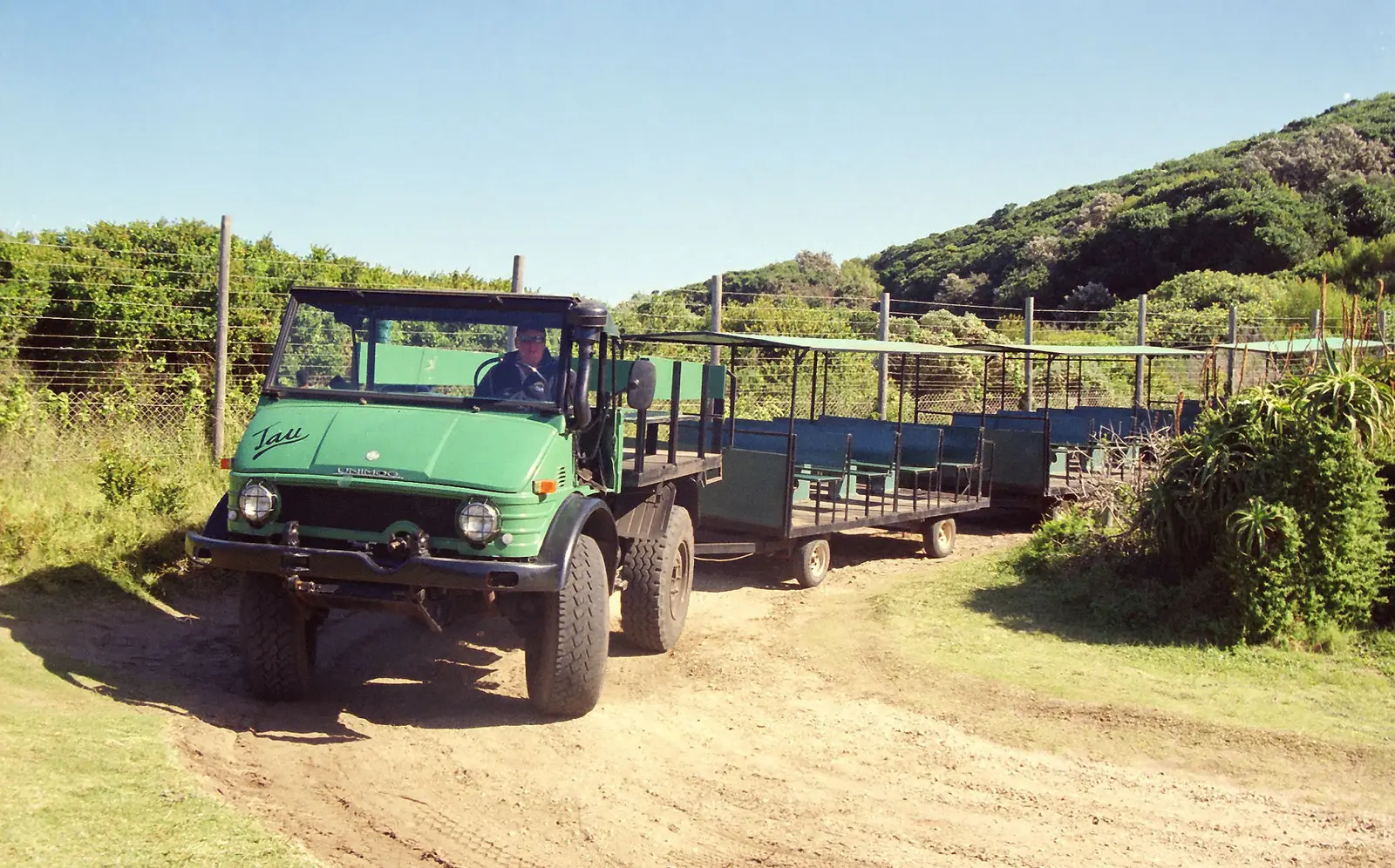
It is a guided outing with a walk in it rather than a hike, and the operator pitches it as suitable for young and old.
Planning your trip
Staying overnight? Compare live prices and availability for places on Leisure Isle on Booking.com.
Compare Leisure Isle staysWe earn a small commission if you book through this link, at no extra cost to you.
What There Is to See From the Top and on the Way Down
The views are the obvious draw. Visit Knysna describes them running from the Indian Ocean in the south to the Outeniqua Mountains in the north.
The best way to understand the Knysna estuary is to stand on one side of its mouth and look at the other.
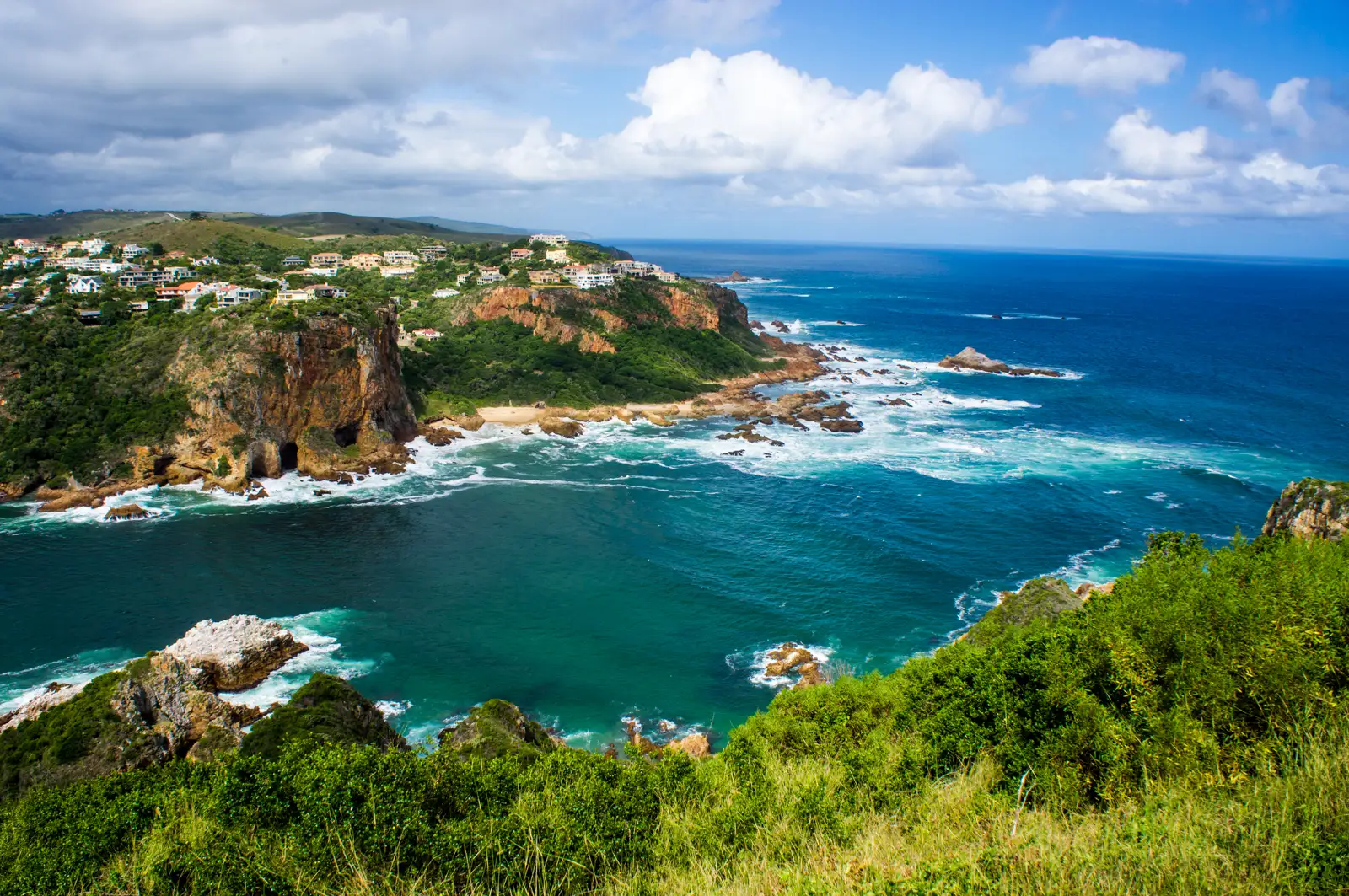
The walk down is where the reserve earns the word nature. Three things are worth looking out for:
- Knysna Sand Fynbos. This is the vegetation the headland carries, and SANParks describes it as critically endangered, with under a tenth of its original extent surviving.
- Milkwood forest. Visit Knysna notes a small but significant stand of it, and the reserve's restaurant is set under old milkwood trees.
- The sea caves. Visit Knysna calls them an important Middle Stone Age archaeological site.
Keep an eye on the water too. The same Visit Knysna page says walkers sometimes spot whales out to sea, or dolphins in the breakers below the cliffs. Treat that as a bonus, not a promise.
The Animals, Honestly
Featherbed is a nature reserve, not a game reserve, and the difference matters if you are bringing children who have been promised animals. What lives here is small, shy and mostly easy to miss.
On record at Featherbed
- Blue duiker, a tiny forest antelope, named by IOL in 2008 as one of the reserve's residents.
- Bushbuck and steenbok, both seen by the reserve's staff in the months after the 2017 fire.
- Cape clawless otter, caught on a camera the operator installed at the restaurant, visiting after hours.
- Knysna turaco, the bright green forest bird locally called the loerie, also on IOL's list.
- African black oystercatcher, the black shorebird with a red bill, which IOL called rare in the same report.
Most of these you will be lucky to glimpse. The plants, the caves and the view are the reliable part of the trip.
How a Professor's Fishing Spot Became a Reserve
Featherbed's story runs through one of the most famous fish in the world. According to Martin Hatchuel's history of the reserve, the ichthyologist JLB Smith, who identified the coelacanth, loved fishing at the Heads. He bought land on the Western Head in 1950 and a neighbouring portion in 1953.
His son William Smith, the teacher and television presenter, turned it into a reserve. In the family's account it was registered by Cape Nature Conservation as a private nature reserve by 1985, and Visit Knysna dates its opening as a tourist attraction to the mid-1980s.
In August 2008 IOL reported that Smith had sold the reserve to Kobus Smit, an Eastern Cape businessman. Smith's own line about the place has aged well: “With land like that you don't own it, it owns you.”
The 2017 Fire, and What Grew Back
The Knysna fires of June 2017 hit Featherbed hard. Tourism Update reported that around 95% of the reserve's vegetation was destroyed, along with the restaurant, and the reserve closed while it recovered.
The recovery is the more interesting part. The fire did not completely burn the seed stored in the soil, so fynbos germinated in the months that followed. Many of the milkwoods sprouted again from their burnt bases. Staff identified well over 200 plant species within nine months, and Tourism Update reported that the reserve was due to reopen in late 2018 with new facilities.
Food, Fitness and What to Bring
The operator's own advice on what to bring is short:
- Good walking shoes, which the operator puts first on its list.
- A hat and sunblock in summer.
- A warm jacket for the ferry in winter.
- A camera, which hardly needs saying.
Eating at Featherbed
Lunch is a buffet served under the reserve's milkwood trees. The operator's own pages call the restaurant both the Milkwood Restaurant and the Food Forest Restaurant.
One caveat is stated plainly on the operator's website: as a small, locally owned company, its kitchen is not able to cater for specific dietary needs, whether for health or religious reasons. If that affects you, raise it with the operator before you book. Its booking terms also say no food or drink may be taken on board its vessels, so do not plan on carrying a picnic across.
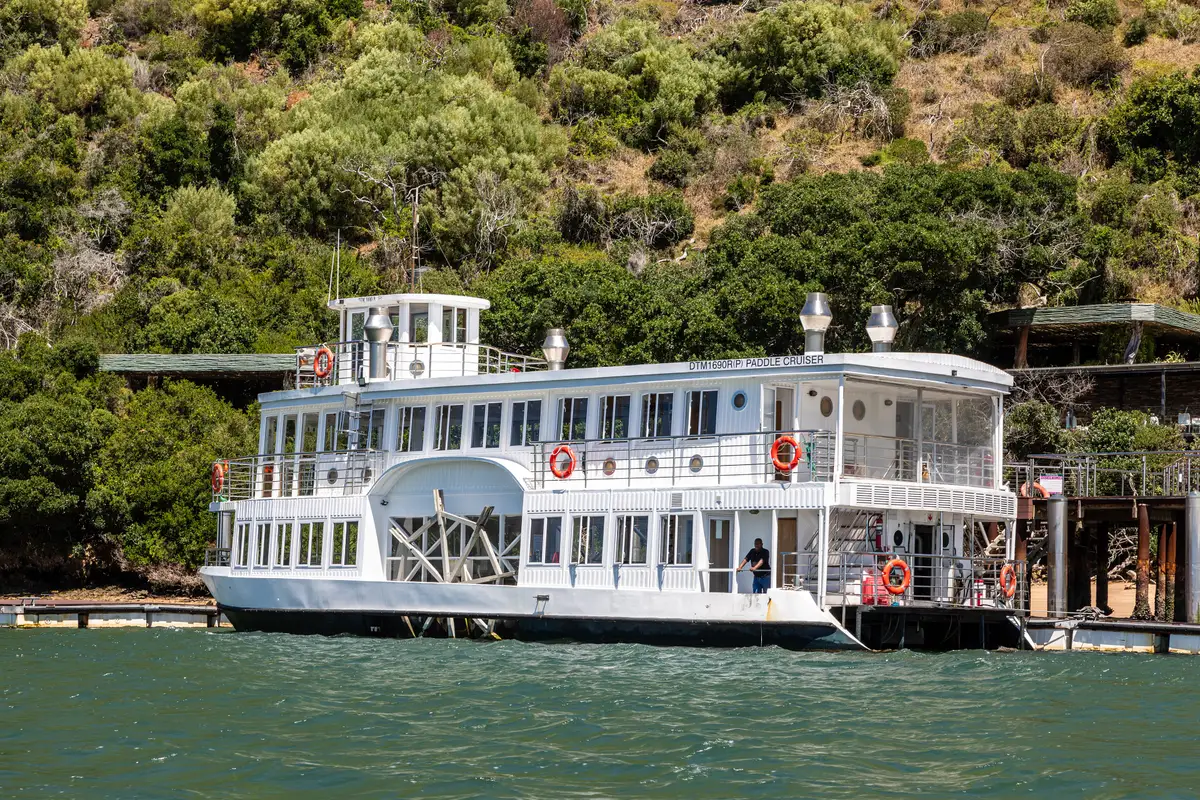
The same company also runs lagoon cruises on the John Benn and the Paddle Cruiser, and a seasonal beach bar on the reserve side. The operator says that bar opens in the summer months and flies a green flag when it is open. Those are separate outings from the eco trip, so check which one you are booking.
Seeing the Heads Without the Ferry
Featherbed is the way to stand on the Western Head. It is not the only way to see the Heads, and on a day when the trip does not suit, there are other ways to take them in:
- The Eastern Head viewpoint, which you can drive to, looking across at Featherbed rather than from it.
- Leisure Isle's own shore, from where the Heads close off the end of the lagoon.
- Steenbok Nature Reserve, the free reserve on the island itself, which is a different and much gentler kind of walk.
For a wider list of what is worth doing around the estuary, our page on things to do in Knysna covers the water, the forest and the town.
Using Leisure Isle as Your Base
A Featherbed day starts at the waterfront, on the town side of the lagoon, so wherever you stay you will be heading into town for the ferry. Leisure Isle makes a quiet base for it: you see the Heads from the top on the trip, and from the island afterwards.
If you have not been to the island before, our guide to what Leisure Isle is really like covers the causeway, the tide and how the island actually feels to stay on.
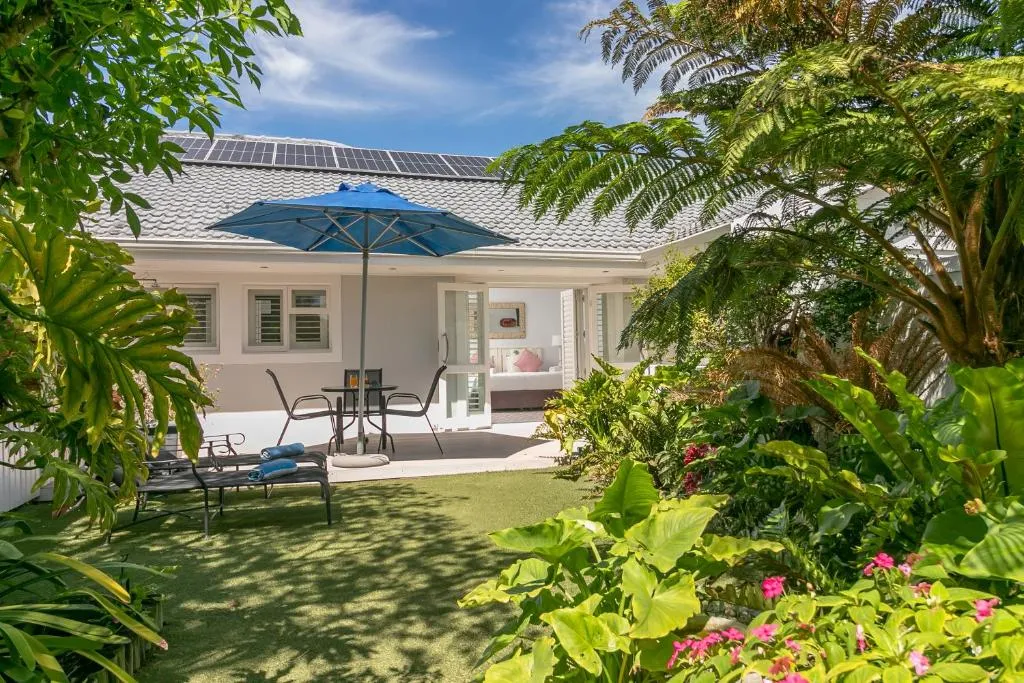
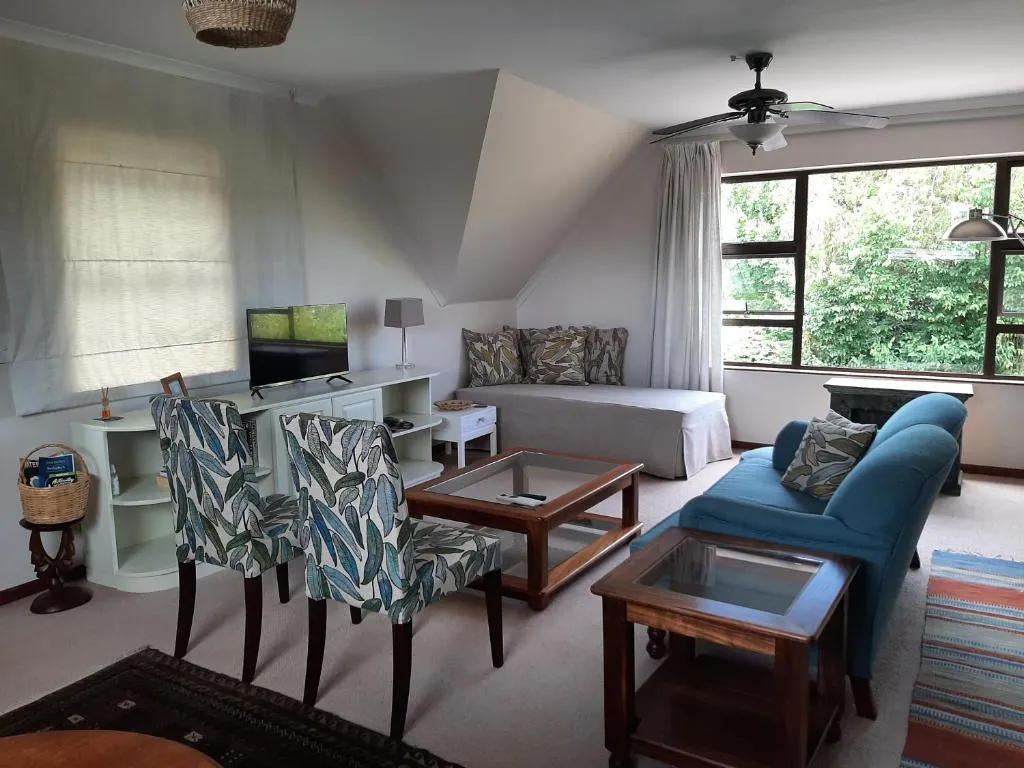
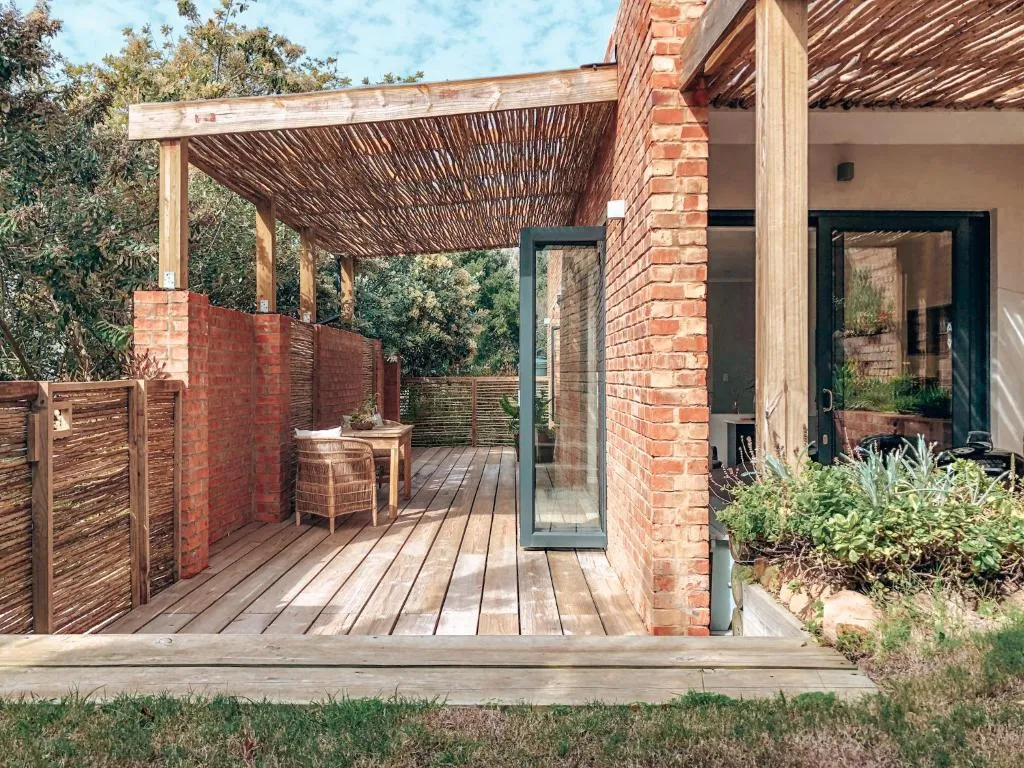
The places to stay on Leisure Isle range from a whole holiday home for a family, to an apartment for two, to a guest house if you would rather someone else ran the house.
Common Questions About Featherbed Nature Reserve
Can you visit Featherbed Nature Reserve without a tour?
The operator describes the reserve as privately owned and only accessible by ferry, and the public way in is its own ferry from the Featherbed terminus in town. In practice, a visit means booking one of its trips rather than arriving independently.
Is the Featherbed walk difficult?
The operator lists no fitness requirement for the trip. A vehicle takes you up the headland, and the optional guided walk brings you back down. The operator does recommend good walking shoes, so take them.
Do you need to book Featherbed in advance?
It is wise to. The operator says every excursion needs a minimum number of guests before it departs, so booking ahead is the way to know your trip is going. Its booking page says trips are only cancelled in extreme weather, though its terms allow cancellation for other unforeseen reasons too.
Is Featherbed the same as the Knysna Heads viewpoint?
No. The viewpoint most people drive to is on the Eastern Head, which is residential. Featherbed is on the Western Head, opposite it, and is a private reserve reached by ferry.
Can you see Featherbed from Leisure Isle?
You can see the Heads from the island's shore, and Featherbed is the western of the two: the wooded, undeveloped headland on the right as you look down the lagoon towards the sea.
Is there food at Featherbed?
Yes. The trip can be booked with a buffet lunch under the milkwoods, and there is a seasonal beach bar on the reserve side in summer. The operator says its kitchen cannot cater for specific dietary needs, so plan for that if it applies to you.
Where do the facts on this page come from?
The trip, the booking conditions, the food and what to bring come from Featherbed Co.'s own website and booking page, read on 4 October 2026. The vegetation status is from SANParks (3 July 2024). The views, the caves and the walk's features are from Visit Knysna.
The fire and the recovery are from Tourism Update (2018). The land history is from Martin Hatchuel's history of the reserve, and the 2008 sale from IOL.
The featured photograph is “Knysna Head West” by Octagon, from Wikimedia Commons, used under a Creative Commons Attribution 4.0 licence and cropped to fit. The photographs in the body are credited in their captions.
Photograph attributions for the rest of the site are on our credits page. We publish no prices, distances or trip times. Those belong to the operator and change, so check them on its own site when you book. If you find something here has moved on, please tell us and we will correct it.