Quick Navigation
- What Steenbok Nature Reserve Actually Is
- Six Named Stops, From the Entrance to the Creek
- There Is a Golf Course Underneath It
- From the goat course to the Leisure Isle Hotel
- Kingfisher Creek and the Salt Marsh
- The Tide Decides What You See
- When the reserve floods, which is rarer than it sounds
- Dogs, Children and What to Take
- Children, and the one tree they kept on purpose
- What to take, and where to base yourself
- What the reserve is not
- Common Questions About Steenbok Nature Reserve
- Is there an entrance fee for Steenbok Nature Reserve?
- Where exactly is Steenbok Nature Reserve?
- Is Steenbok Nature Reserve part of the Garden Route National Park?
- Can you take dogs into Steenbok Nature Reserve?
- What is the best time of day to walk in the reserve?
- Is the Knysna seahorse found here?
- Is the reserve suitable for small children and pushchairs?
- Who runs Steenbok Nature Reserve?
- Where do the facts on this page come from?
Steenbok Nature Reserve is the reason a lot of people on Leisure Isle do not bother getting into the car. It runs along the northern shore of the island, it is open at all times, and walking into it costs nothing. What it is not is wilderness — and knowing that before you go is the difference between a lovely hour and a mild disappointment.
What Steenbok Nature Reserve Actually Is
It is a seventeen-hectare strip of protected ground on a residential island, managed jointly by the people who live there and the municipality. The reserve states its own access position in a single sentence, and it is worth quoting exactly because it removes the two questions everyone asks first.
“The Reserve is open at all times and there is no entrance fee.”
No gate to arrive before, no ticket office, no closing time. That is unusual enough among South African reserves to be worth saying plainly.
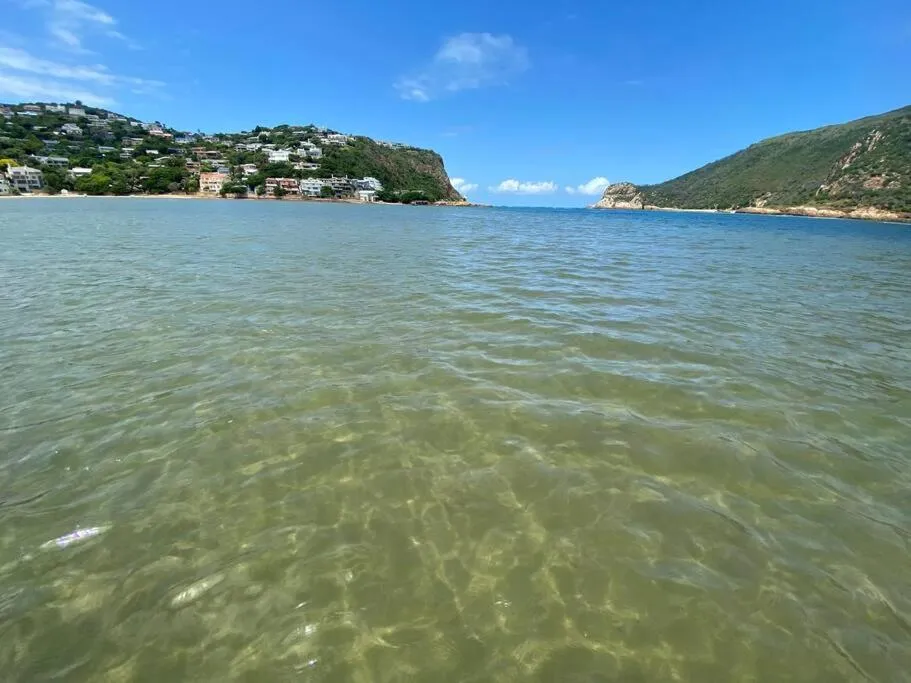
The reserve describes its own ground as holding “most beautiful areas of original salt marsh, coastal dune and coastal thicket vegetation and probably one of the finest areas of the former”. Alongside that sit things nobody would call wild: an indigenous garden planted with flora of the Garden Route and the Eastern Cape coast, copses of Knysna forest trees, and what the reserve itself calls small cultivated gardens.
It is also, in its own cheerfully unromantic phrasing, “a paradise for dog walkers and fisher people” and “a cricket and soccer pitch for children”. That sentence tells you more about the texture of the place than any amount of description. It is a working piece of neighbourhood as much as a conservation area, and people who arrive expecting big game or deep bush have simply come to the wrong sort of reserve.
Six Named Stops, From the Entrance to the Creek
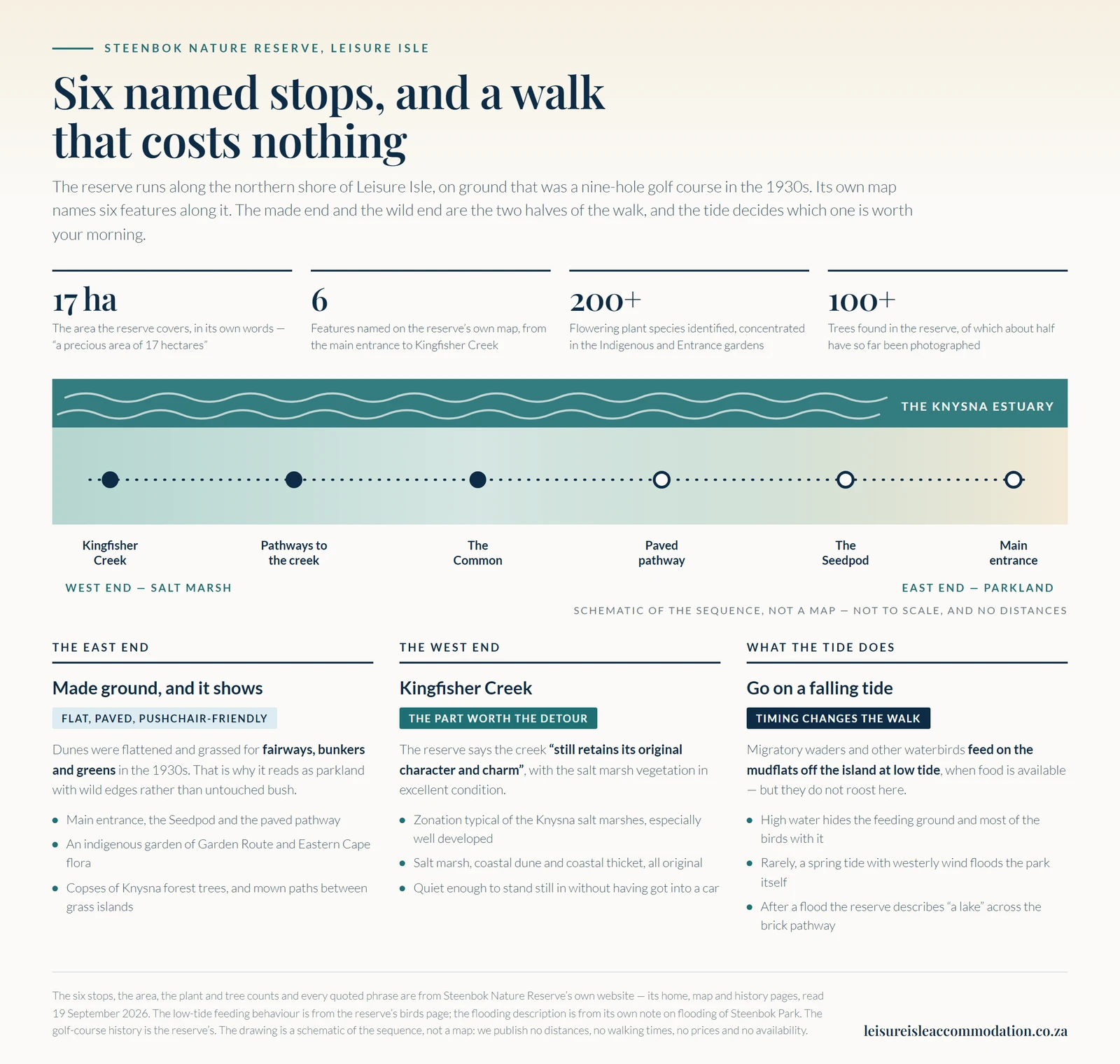
The reserve publishes its own map, and that map names six features. Taken in order they are the whole walk, and they run roughly east to west — from the made, parkland end to the wild, marshy one.
The reserve's own map labels, east to west
- Main entrance — the portico and signage put in during the 1990s restoration.
- The Seedpod — a named feature on their map. We have not described it here because the reserve gives it a label and no explanation, and guessing would be inventing.
- The paved pathway — the made surface through the eastern end, called the brick pathway in the reserve's own flooding note.
- The Common — the open ground, mown between islands of indigenous grasses.
- Pathways to Kingfisher Creek — the transition from parkland into salt marsh.
- Kingfisher Creek — the western end, and the part worth going out of your way for.
That sequence is the useful thing to carry in your head. The eastern half is flat, surfaced in places and easy with a pushchair or unsteady legs. The western half is the one people photograph.
There is no single prescribed route and no circuit to complete. People walk in at the entrance, go as far as they feel like, and turn round. Others come in only for the creek end. Both are normal.
Planning your trip
Staying overnight? Compare live prices and availability for places on Leisure Isle on Booking.com.
Compare Leisure Isle staysWe earn a small commission if you book through this link, at no extra cost to you.
There Is a Golf Course Underneath It
The single most useful thing to know about Steenbok is that the eastern half of it is not natural ground at all, and that this explains almost everything about how it feels underfoot.
George Cearn noticed Steenbok Island in 1929 and, to considerable local astonishment, set about turning an uninhabited island into somewhere people could live. He renamed it Leisure Isle. The island was declared a township in November 1935, pine clusters went in, and an avenue of gums was planted along Links Drive — a street name that is itself a clue.
Through the 1930s Cearn built a nine-hole golf course on the ground that is now the reserve. The reserve's own history is blunt about what that involved: sand dunes were flattened and planted with grass, and fairways, bunkers and greens were laid out over them.
From the goat course to the Leisure Isle Hotel
Knysna Golf Club at that time played on what its own members called the goat course, on the slopes near Thesen Hill. In 1939 they decided to make the new Leisure Isle course their home. The clubhouse grew an extension and became a private hotel, then — once it had a liquor licence — the well-loved Leisure Isle Hotel, and the pivot of social life on the island for years.
A fire eventually destroyed it. The golf course fell out of use. In the mid-1990s a group of residents arranged with Knysna Municipality to upgrade the disused course, and Steenbok Nature Park was established on it.
What the restoration actually put in
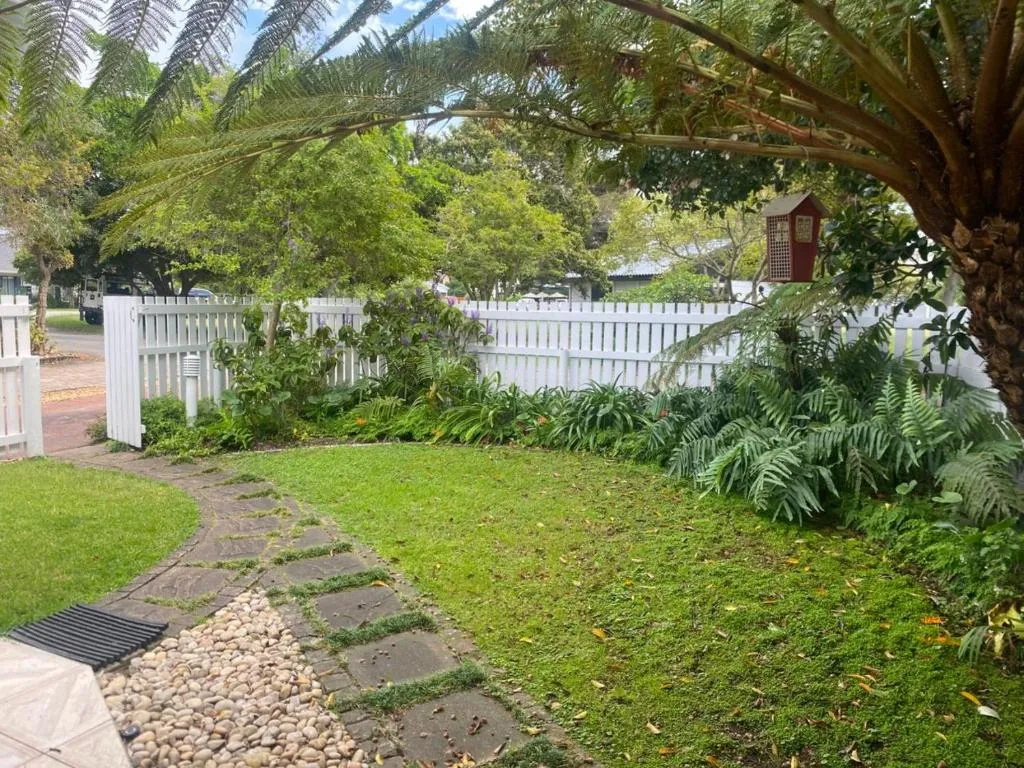
- Mown pathways and open spaces around islands of indigenous grasses.
- An attractive wood-pole fence enclosing the area.
- The entrance portico and signage.
- An indigenous garden, plus a herbarium and a display cabinet of flowering-plant photographs donated by a resident.
- Later, a boardwalk across the salt marsh, opened at a function where the Friends of Steenbok Nature Reserve were announced.
So when the eastern end reads as parkland with wild edges rather than untouched bush, that is not neglect and it is not a failure of ambition. It is a golf course going back to something, slowly, with help.
Kingfisher Creek and the Salt Marsh
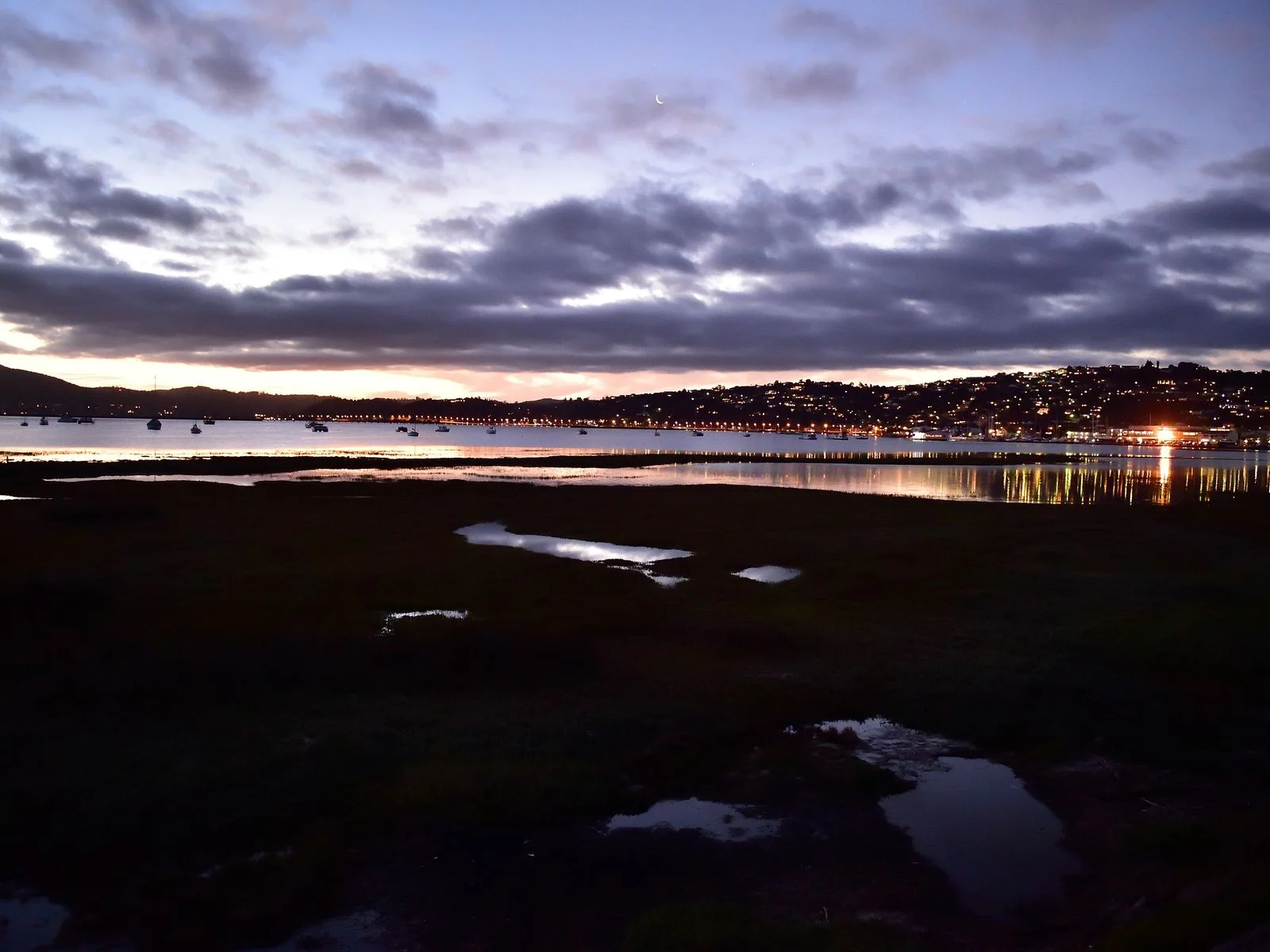
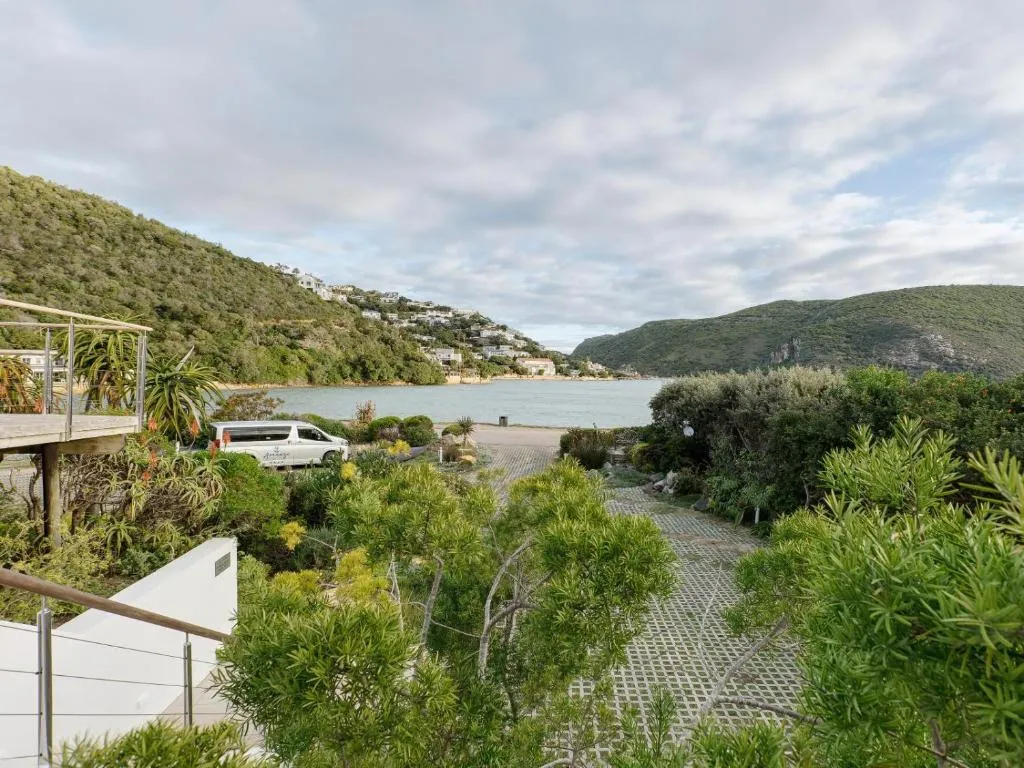
The western end never was a golf course, and it shows. In the reserve's words, Kingfisher Creek “still retains its original character and charm”, with the salt marsh vegetation in excellent condition.
What makes it worth the walk is a technicality that turns out to be visible. Salt marshes arrange themselves in bands according to how often the tide covers them, and the reserve says the marshes here — particularly at Kingfisher Creek — show the well-developed zonation typical of Knysna's salt marshes. In plain terms: the plants change in stripes as you move away from the water, and here those stripes are unusually clear.
The estuary this marsh sits in is a proclaimed Protected Environment under the National Environmental Management: Protected Areas Act of 2003, with SANParks as the management authority. The reserve describes itself as forming part of that greater Knysna Protected Environment Area.
That framing is the reserve's own, and it is worth attributing rather than asserting. What is squarely documented is the status of the estuary. Whether every one of the seventeen hectares falls inside that boundary is the reserve's claim about itself.
A distinction that gets muddled constantly: this is a Protected Environment, which is a specific legal instrument. It is not part of the Garden Route National Park, and Leisure Isle is not inside a national park. The island is ordinary freehold residential suburb with houses and gardens on it. You will see it written the other way; it is wrong.
The Tide Decides What You See
This is the one piece of planning that changes the walk, and it costs nothing to get right. The reserve's own birds page is unusually direct about it.
“The migratory waders and other waterbirds visit the mudflats off Leisure Isle at low tide, when food is available, but do not roost here.”
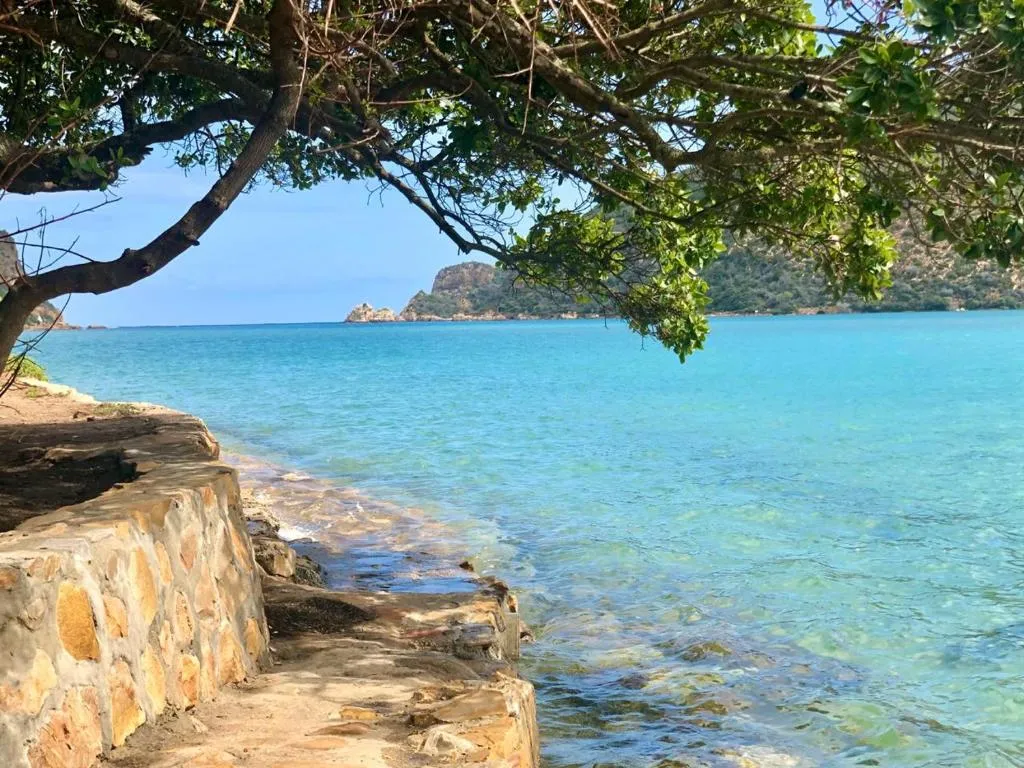
Read that carefully, because it contains a small disappointment and a large opportunity. The birds are not residents you can count on finding whenever you turn up. They come in to feed when the falling tide uncovers the mudflats, and they leave. Arrive at high water and the feeding ground is under the estuary, and most of the waders are somewhere else entirely.
The same tide governs the rest of the shoreline, which is why the island's beaches look so different from one hour to the next — we have written separately about where the swimmable water around Knysna actually is, and the short answer is that the sheltered beaches are not on the sea at all.
Not every bird here is a visitor. The reserve lists species that live, nest and hold territories on Leisure Isle itself — the Cape Robin-Chat among them — alongside ones that come across from the surrounding area, such as Black-bellied Starlings, and ones that merely pass overhead and can be seen from the island, like the African Fish Eagle.
Its mammal list is short, and better than you would expect for a suburb. The Cape clawless otter is on it.
When the reserve floods, which is rarer than it sounds
Occasionally the estuary comes over the seawall and into the park. The reserve keeps its own note on this, and the mechanism it describes needs four things at once: a high spring tide, high seas, strong westerly winds and low atmospheric pressure. Its highest recorded flooding was on 31 August 2008.
The description of the aftermath is the appealing part. Visitors are met, in the reserve's words, with the sight of a lake stretching across sections of the brick pathway, and hundreds of water birds working the rich feeding water. The main flood drops away over the following days, though signs of it stay visible for about another week.
Dogs, Children and What to Take
The reserve welcomes dog walkers explicitly — its own description of itself calls the place a paradise for them. Two things are worth knowing before you arrive with a lead in your hand.
Dogs, accurately
- Picking up after your dog is not optional and has no exceptions. Knysna Municipality's dog by-law requires anyone in charge of a dog that fouls a public road or public place to remove it immediately, bag it and put it in a litter bin.
- The by-law's default is a leash in any public place — unless the area is one the municipality has specifically designated for free running. Whether that designation covers Steenbok is not something we can establish from the published documents, so check the signage at the entrance rather than taking our word or anyone else's.
Children, and the one tree they kept on purpose
For children, the reserve does a lot of the work itself. It describes its open ground as a cricket and soccer pitch for children. The eastern end is flat and partly surfaced, which makes it one of the easier places on the island to push a buggy.
There is also a detail worth pointing out to a child. A large alien tree — a Myoporum tenuifolium — has deliberately been left standing as a jungle gym for smaller visitors, rather than felled with the rest of the invasive species.
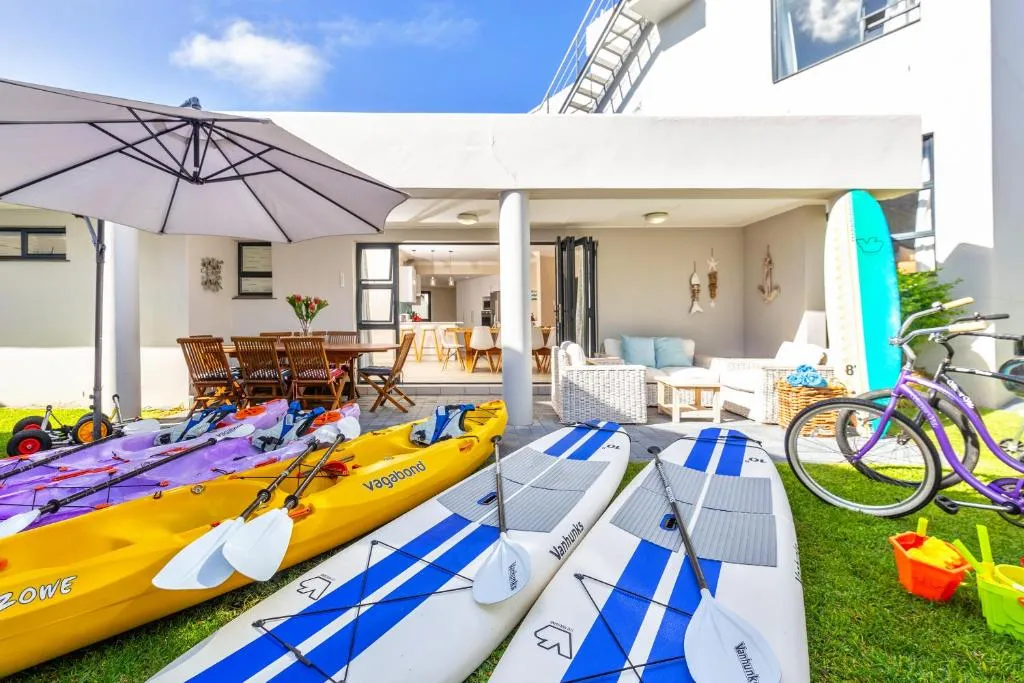
What to take, and where to base yourself
Beyond that there is very little to organise. There is no visitor centre, no café inside the reserve and no facilities to rely on, so take your own water.
Because it is a walk rather than an outing, it fits into the gaps in a day — which is rather the point of having it at the end of the road. If you are still working out where on the island to stay, our guide to what Leisure Isle is actually like covers the causeway, the tide and the practical differences between the parts of it.
Being able to walk in before breakfast is mostly a question of which street you end up on, and the island is small enough that most of the places to stay on it are within easy reach of one entrance or another.
Whether that ends up being a whole holiday home with a garden for the dog, a smaller apartment you are only using to sleep and change, or a guest house where breakfast is someone else's problem, comes down to the kind of trip rather than the location.
What the reserve is not
Worth saying plainly, because expectations do most of the damage:
- It is not a game reserve. The mammal list runs to otter, seal and vlei rat.
- It is not a long walk, and it is not a hike. There is no summit and no circuit.
- It is not remote. Houses, gardens and a road are within sight of most of it.
- It is not a substitute for the forest. The Knysna forest is a different day out entirely.
What it is, is seventeen hectares of salt marsh, thicket and mown grass at the end of a residential street, with an estuary alongside it, free, at any hour. For a lot of trips that is worth more than a more impressive place an hour's drive away. The wider case for the island as a base, and what else is worth doing around the estuary, is in our guide to things to do in Knysna.
Common Questions About Steenbok Nature Reserve
Is there an entrance fee for Steenbok Nature Reserve?
No. The reserve's own words are that it “is open at all times and there is no entrance fee”. There is no ticket office and no gate to arrive before.
Where exactly is Steenbok Nature Reserve?
It runs along the northern shore of Leisure Isle, the residential island in the Knysna estuary. It is not at one end of the island — it stretches across most of its width, with the parkland at the eastern end and Kingfisher Creek at the western one.
Is Steenbok Nature Reserve part of the Garden Route National Park?
No, and this is a common mix-up. The reserve describes itself as part of the greater Knysna Protected Environment Area, regulated by SANParks under the National Environmental Management: Protected Areas Act of 2003. A Protected Environment is a different legal instrument from a national park, and the protected status attaches to the estuary and the reserve rather than to the whole island.
Can you take dogs into Steenbok Nature Reserve?
The reserve describes itself as a paradise for dog walkers, so dogs are clearly welcome. Knysna Municipality's dog by-law requires you to remove and bin any mess immediately, with no exceptions, and its default position is that dogs are on a leash in a public place unless the area has been designated for free running. We cannot establish from the published documents whether that designation applies here, so read the signs at the entrance.
What is the best time of day to walk in the reserve?
If you want birds, go on a falling or low tide. The reserve states that migratory waders and other waterbirds come in to the mudflats off the island at low tide when food is available, and that they do not roost there — so at high water the feeding ground is submerged and most of them are elsewhere. Otherwise, since the reserve never closes, the light matters more than the hour.
Is the Knysna seahorse found here?
The reserve's own aquatics listing includes the Knysna seahorse, which lives in the estuary the reserve sits on. It is classed as Endangered. You are unlikely to see one — they are small, well camouflaged and live down in the eelgrass — but it is part of what the water around the island is.
Is the reserve suitable for small children and pushchairs?
The eastern end is, being flat, mown and partly paved. The reserve itself describes its open ground as a cricket and soccer pitch for children, and it has kept one large alien tree standing as a jungle gym rather than removing it. The paths towards Kingfisher Creek are rougher going.
Who runs Steenbok Nature Reserve?
In the reserve's own words, it “is a joint initiative by Leisure Isle Residents Association and Knysna Municipality”, operating “in close association with SANParks and with the support of The Friends of Steenbok Nature Reserve”. The partnership agreement between the municipality and the residents' association dates from February 2006.
Where do the facts on this page come from?
Almost all of it comes from Steenbok Nature Reserve's own website — its home page, its map, and its history page — read on 19 September 2026, along with the reserve's own published notes on flooding and its bird and mammal listings.
The dog rules are from Knysna Municipality's By-Law Relating to the Keeping of Dogs, published in the Western Cape Provincial Gazette Extraordinary 7487 on 11 September 2015.
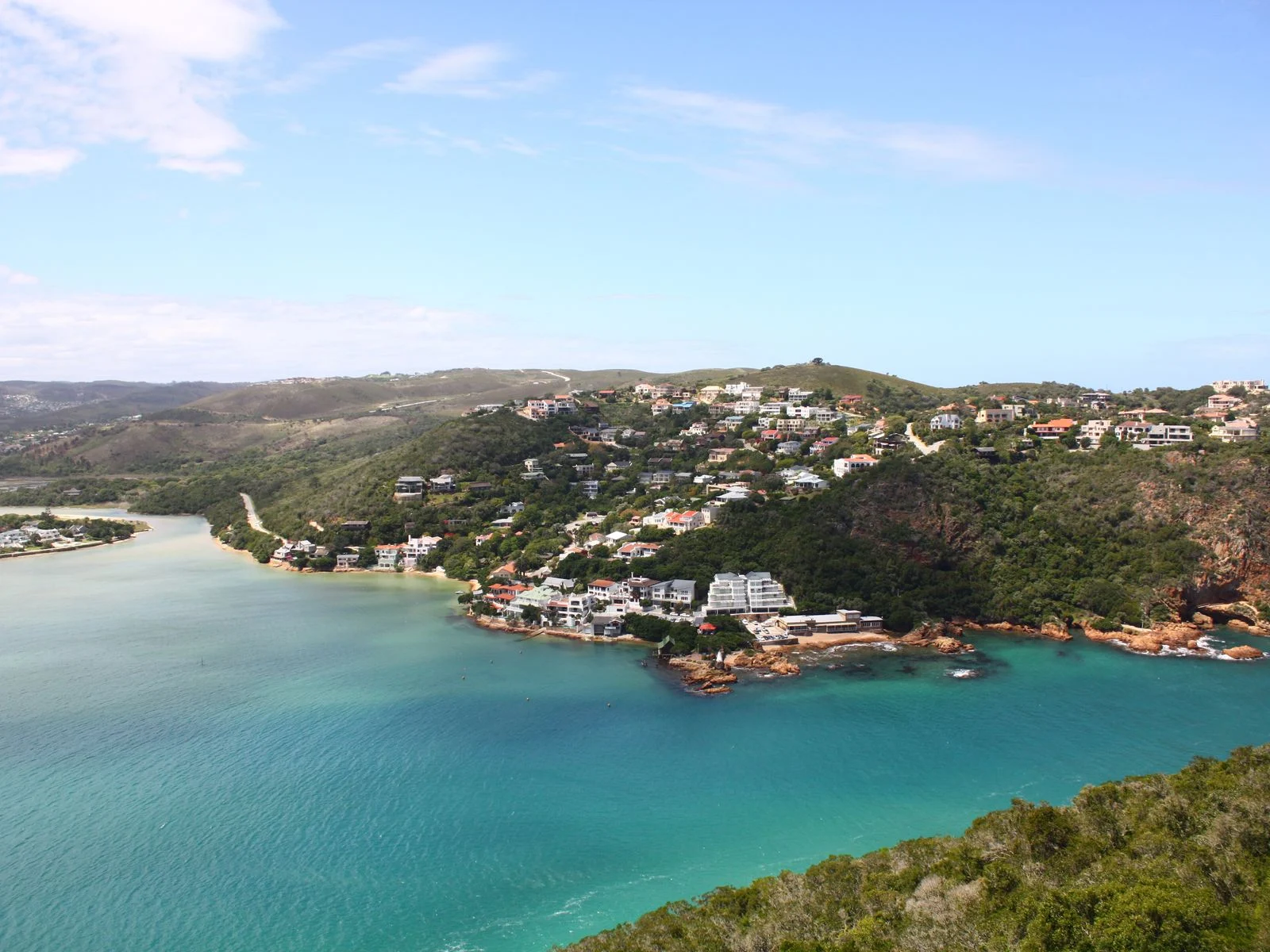
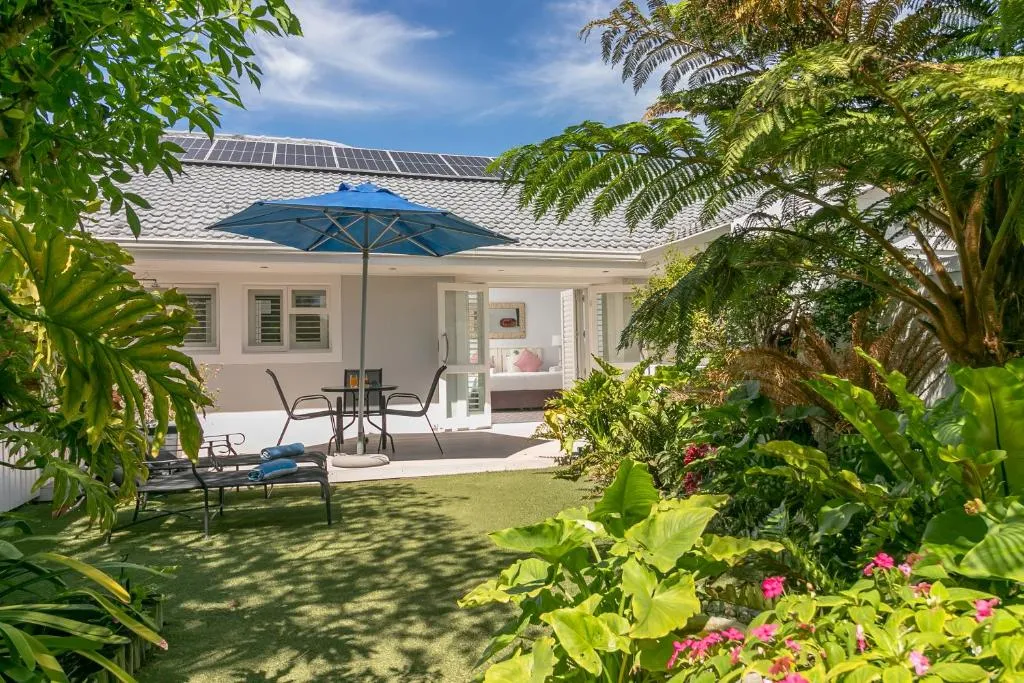
The featured photograph is “Knysna Lagoon, Western Cape, South Africa” by South African Tourism, from Wikimedia Commons, used under a Creative Commons Attribution 2.0 licence and cropped to fit. The photographs in the body are listing photographs from the properties named in their captions.
Photograph attributions for the rest of the site are collected on our credits page. We publish no distances, walking times or prices, and we have not described anything here that we could not source — see our about page for why.
One honest caveat about all of the above: a reserve's own pages get edited, and a municipal designation can change without anyone announcing it. Everything here was read on the date given. If you walk it and find something has moved on, please tell us and we will correct it.